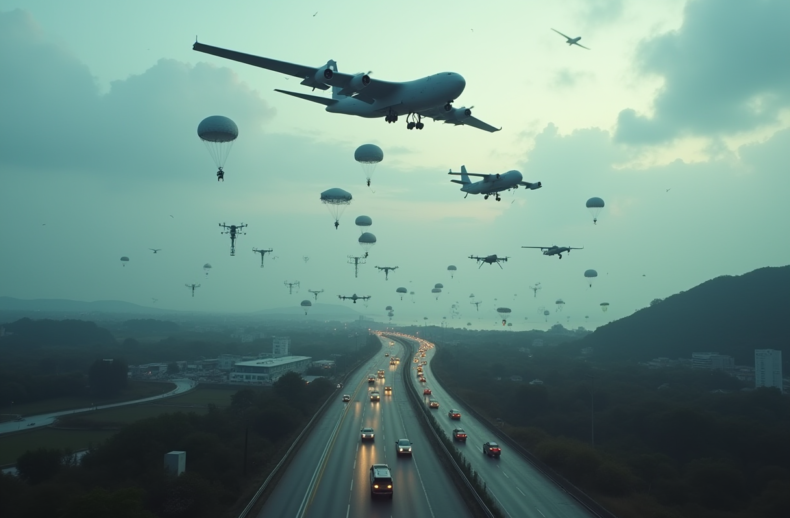
Robots are unlikely to enter history first as helpers, caregivers, or household assistants. They will enter as weapons.
Throughout history, transformative technologies—from metallurgy to aviation to computing—reached scale through warfare before reshaping civilian life. Robotics follows the same trajectory. Civil society resists failure, liability, and disruption; warfare rewards speed, scale, and expendability.
The China–Taiwan conflict sits at the intersection of this technological shift. China’s industrial capacity, growing autonomy in AI and navigation, cooperation with Russia’s battlefield experience, and a stabilizing BRICS environment together reduce the traditional costs of escalation. In this setting, robotic warfare is not an exotic option but the most rational first use case.
If large-scale autonomous systems are deployed anywhere as a primary instrument of force, Taiwan is one of the most likely places where this new era of warfare will begin.