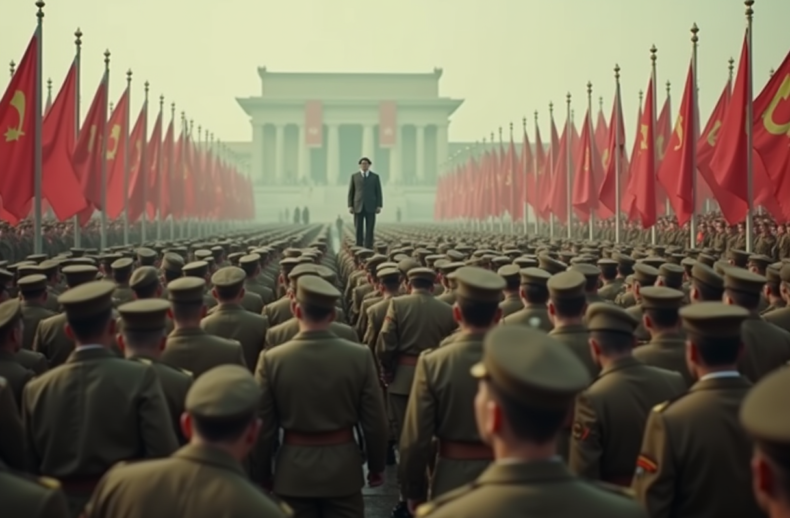
Nations are not held together by shared beliefs or unanimous agreement. They remain stable because citizens develop a shared sense of reality—a common set of expectations about what is real, what consequences will follow actions, and which futures are plausible. This sense of reality operates below ideology and opinion and is reinforced through institutions, rituals, and social consequences. The public return of North Korean soldiers from foreign deployment illustrates how societies actively repair and stabilize these shared expectations, absorbing potentially disruptive experiences into a coherent national order rather than allowing them to fracture it.
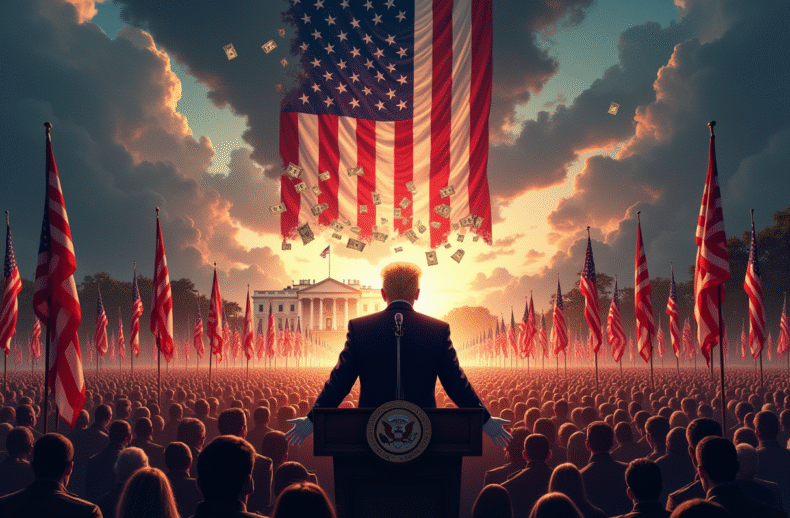
Donald Trump’s second term reveals not only his willingness to stress the economy and social fabric but also a deeper long-hand strategy to remain in power beyond constitutional limits. Through loyalty tests of the military and National Guard, deliberate escalation of fiscal crises, and the mobilization of the MAGA base, Trump rehearses conditions in which systemic failure becomes his opportunity. From an Eidoism perspective, this is an expression of the Demand for Recognition (DfR): the neural drive that transforms collapse into a stage for personal affirmation. Military deployments test recognition within the chain of command, economic breakdown magnifies the craving for continuity, and MAGA rallies feed back mass recognition to the leader. In such loops, institutions bend not because the law is ignored, but because fear and recognition hunger override constitutional resilience. Unless societies develop recognition awareness, they will remain vulnerable to leaders who weaponize crisis to secure their place in power.