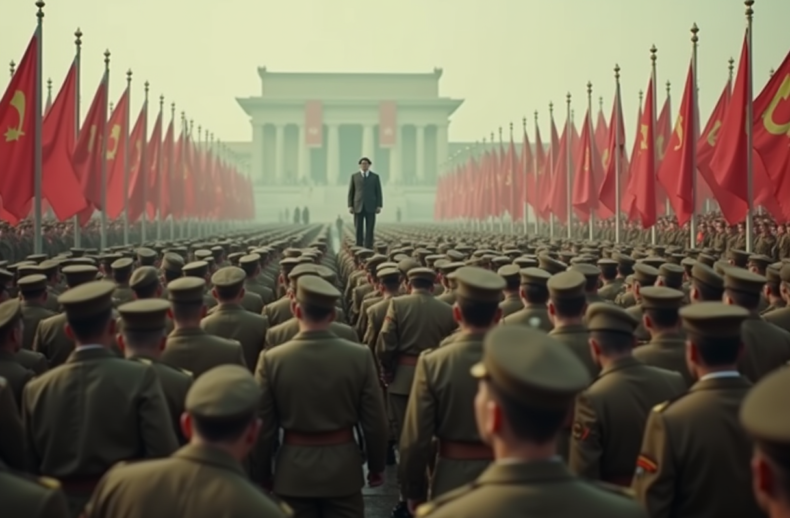
Nations are not held together by shared beliefs or unanimous agreement. They remain stable because citizens develop a shared sense of reality—a common set of expectations about what is real, what consequences will follow actions, and which futures are plausible. This sense of reality operates below ideology and opinion and is reinforced through institutions, rituals, and social consequences. The public return of North Korean soldiers from foreign deployment illustrates how societies actively repair and stabilize these shared expectations, absorbing potentially disruptive experiences into a coherent national order rather than allowing them to fracture it.
Continue Reading

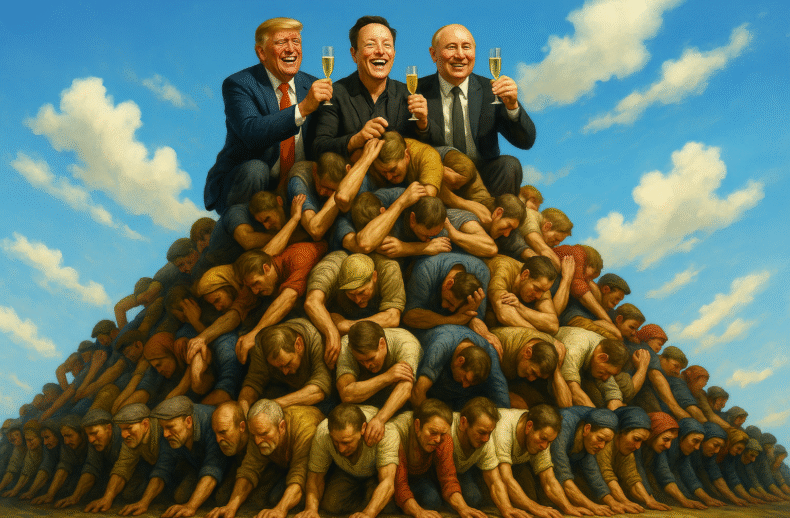
Every attempt to build a fair society—from revolutionary socialism to modern capitalist reforms—has been undone by a deeper, rarely recognized force: the demand for recognition. Rooted in human evolution, this neural drive for status and validation creates new elites and hierarchies, no matter how wealth and power are redistributed. Like the tragic experiments of “mouse utopia,” where abundance led not to harmony but to social collapse, human societies become trapped in cycles of competition, exclusion, and breakdown. The only path to lasting fairness is not another structural reform, but a cultural shift: widespread awareness of the recognition loop and a new way of valuing form, contribution, and humility over endless status-seeking.

Continue Reading

to top
en_US