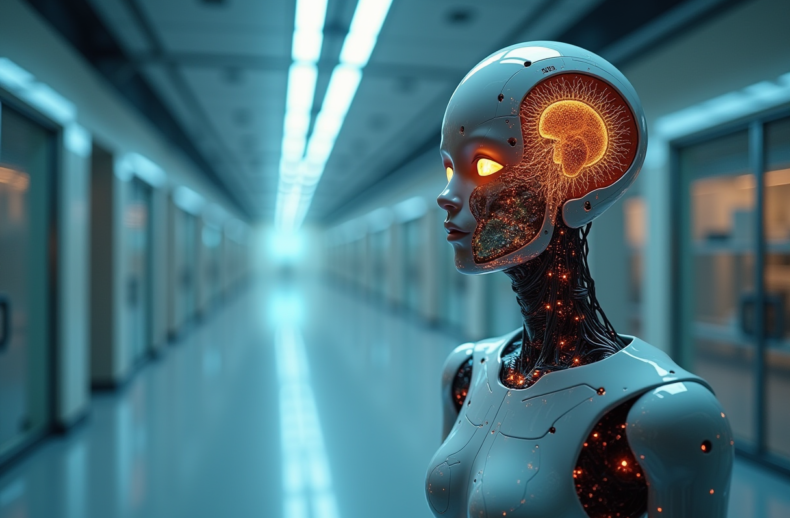
Current robotic AI systems excel in perception and manipulation, yet they remain fundamentally non-autonomous. The missing element is not computational power or data, but an internal regulatory mechanism equivalent to biological Predictive Feedback (PF). PF is a continuous, inherited comparator that evaluates predicted versus actual internal activations, driving self-learning, self-correction, and intrinsic motivation. This essay argues that without PF, robotic systems cannot develop genuine cognitive autonomy. It proposes a biologically grounded four-layer architecture—Pattern Repository, Entity Generator, Associative Pointer Matrix, and Predictive Feedback Loop—that transforms robots from externally instructed executors into self-organizing predictive agents capable of internal reasoning, adaptive exploration, and robust behavior in novel environments.