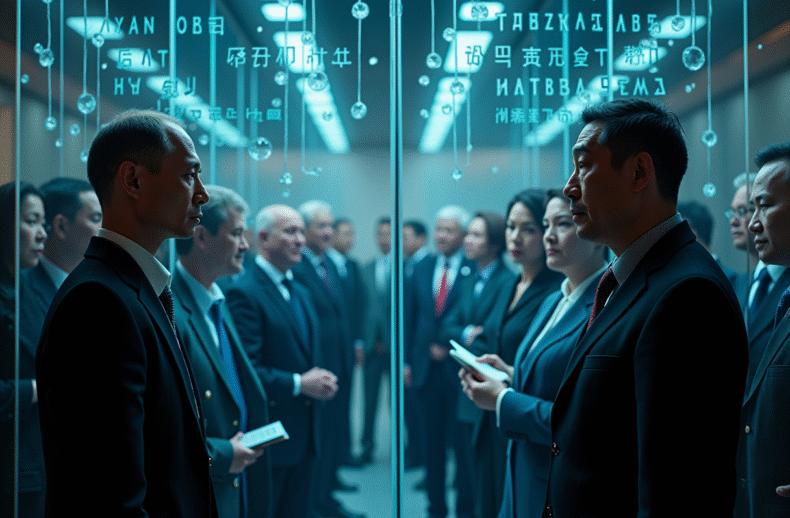
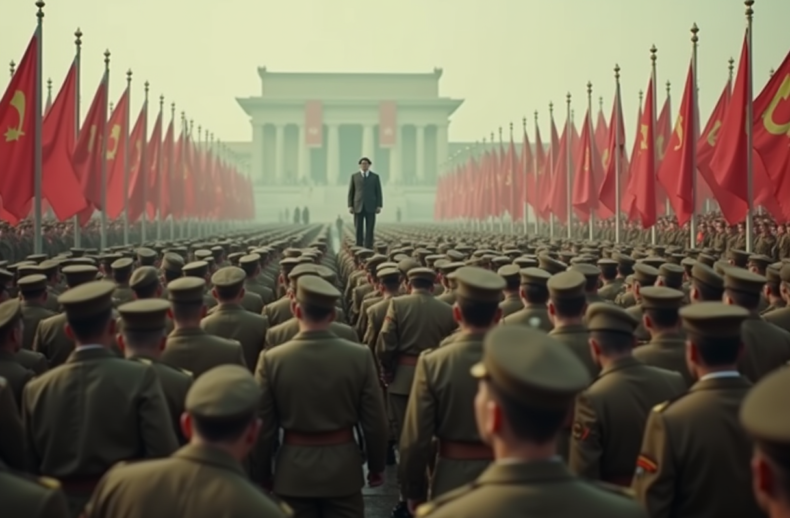
Nations are not held together by shared beliefs or unanimous agreement. They remain stable because citizens develop a shared sense of reality—a common set of expectations about what is real, what consequences will follow actions, and which futures are plausible. This sense of reality operates below ideology and opinion and is reinforced through institutions, rituals, and social consequences. The public return of North Korean soldiers from foreign deployment illustrates how societies actively repair and stabilize these shared expectations, absorbing potentially disruptive experiences into a coherent national order rather than allowing them to fracture it.

Lesen Sie weiter

Capitalism exploits. Communism suppresses. Neo-communism reintroduces capitalism—and exploitation returns. This essay argues that no political system has yet escaped the human recognition loop: the deep psychological need for validation, status, and applause. Until we recondition the human substrate and build post-performative structures, every ideology will decay into hierarchy and manipulation. A viable future begins not with a new system—but with new humans.

Lesen Sie weiter

Westliche Medien und Politiker verurteilen Russland und China routinemäßig wegen Menschenrechtsverletzungen und autoritärer Praktiken - doch ihre Kritik verfehlt oft ihre Wirkung. Dieser Aufsatz geht der Frage nach, warum: Unter der Oberfläche machen tiefe neurowissenschaftliche Unterschiede in der kulturellen Verdrahtung ein echtes Verständnis und eine wirksame Kritik fast unmöglich. Anhand von Beispielen aus dem Alltagsleben in Russland und China zeigen wir, wie westliche Kritik "nach hinten losgeht", lokale Erkennungsmuster missversteht und die Spaltung verstärkt, anstatt Veränderungen zu fördern. Der Eidoismus bietet eine neue Sichtweise, die zu Demut, Dialog und der Erkenntnis führt, dass nur interne kulturelle Veränderungen einen echten Wandel bewirken können.

Lesen Sie weiter

nach oben
de_DE