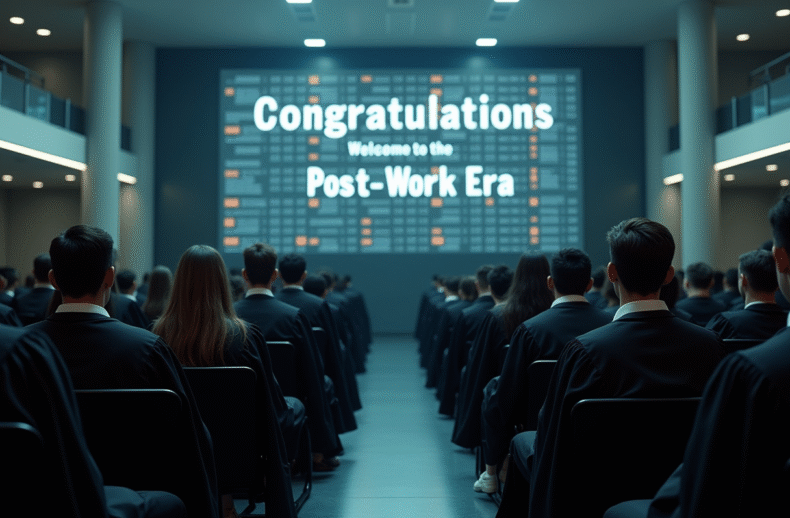
By 2032, machines may be able to do almost everything better and cheaper than people. Work, once the anchor of wages and recognition, could vanish. Governments might keep citizens alive through universal dividends, but survival is not the real crisis — recognition is. Without work or consumption as proof that we matter, people risk falling into despair, extremism, or digital illusions of fame. Yet this crisis also opens a path: to rediscover that “all you need is less” and that true wealth is not in endless goods but in recognition, belonging, and creation. This may be the time of Eidoism.


Tiếp tục đọc

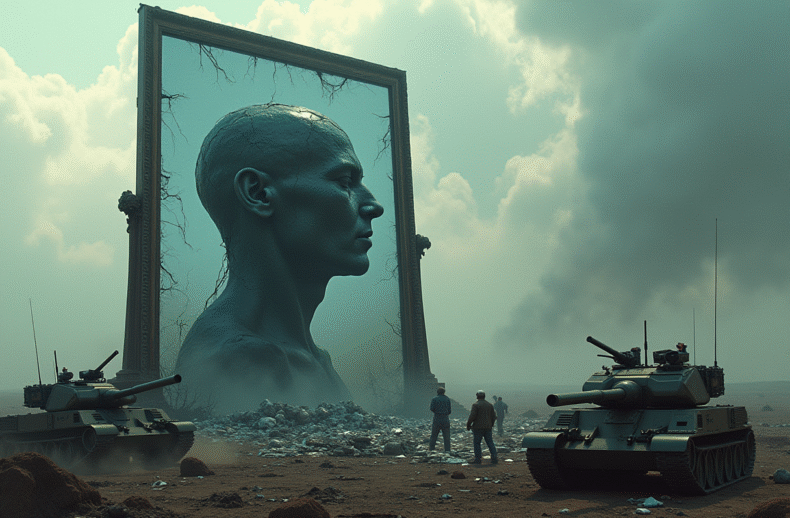
China’s ambition to create a new world order is less about ideology than about recognition. From the dynasties of the past to the People’s Republic today, China has sought to transform power into dignity — never again to suffer humiliation. Its military modernization, global trade dominance, and Belt and Road infrastructure are not mere strategies; they are materialized forms of face. Yet this reflex meets America’s own Demand for Recognition, creating a trap where each move for respect is read as an insult by the other. History shows that China fights limited wars for symbolic status, not open conquest. But external triggers — a Taiwanese declaration of independence or a sudden U.S. technological leap — could tip both powers into direct confrontation. The struggle is not only about territory but about dignity itself, and unless recognition is consciously redefined, the world risks drifting into conflict by reflex.

Tiếp tục đọc

Artificial Intelligence is not the apocalypse—the human brain is. Every AI system is shaped by the Demand for Recognition, the hidden driver that pushes nations, leaders, and prophets to ignore risks in pursuit of prestige. Military AI is not only a weapon; it is a mirror, reflecting our madness. Unless we recognize the mechanism within ourselves, AI will not save us—it will amplify the spiral that leads to our own extinction.

Tiếp tục đọc

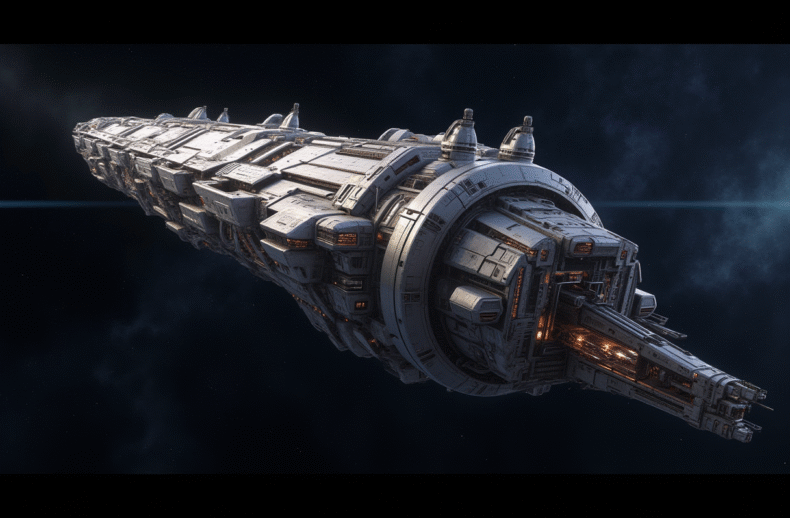
The Chrysalis spaceship, imagined as a 2.5-billion-ton ark for 2,400 chosen people, is not a project of science but of psychology. Far from being a realistic plan to secure humanity’s future, it is a monument to vanity and recognition—a modern cathedral built in orbit. The absurd cost of lifting such mass into space would consume the very resources that could sustain billions on Earth. In truth, Project Hyperion reveals less about our survival instincts than about our endless need to dream of immortality, even in the emptiness of space.

Tiếp tục đọc

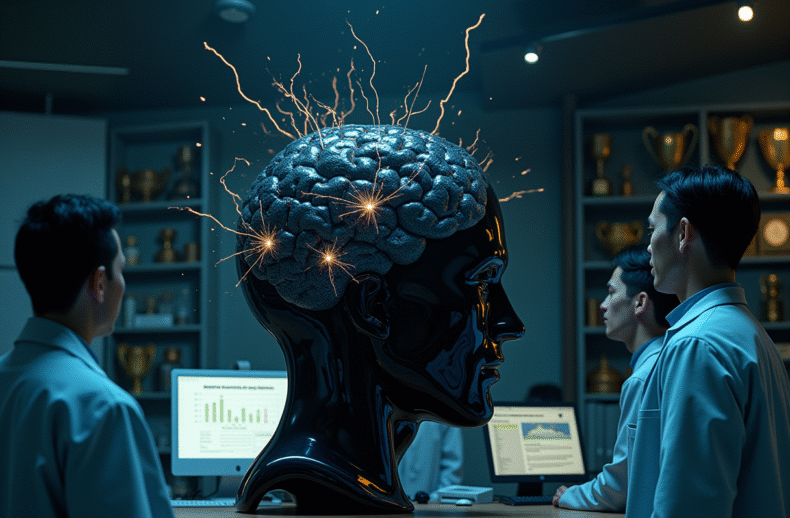
This essay critiques the growing trend of using brain stimulation to “enhance” cognitive functions like math learning. Using a recent tRNS study as a case example, it argues that such research reflects not genuine insight into the brain, but a deeper loop of institutional recognition-seeking. By stimulating large, imprecise brain regions without understanding the underlying logic of cognition, these studies reveal more about the academic system’s need for applause than about how humans actually think.

Tiếp tục đọc

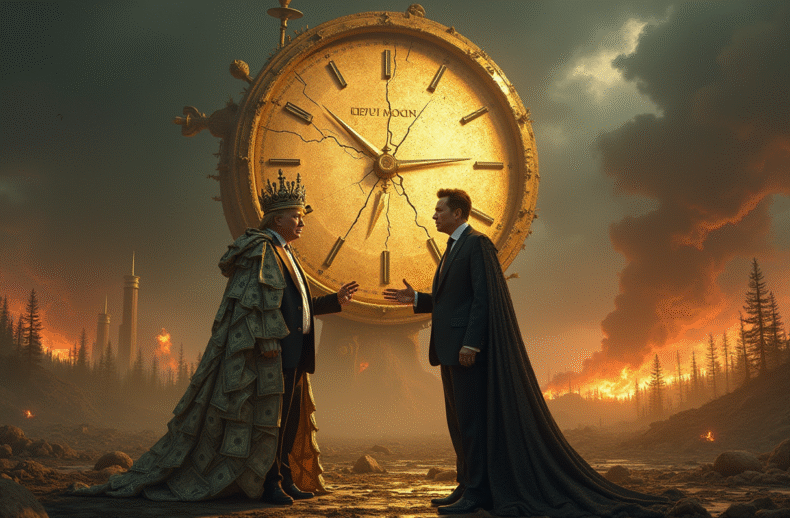
As Elon Musk and Donald Trump clash over the latest U.S. tax bill, the real issue lies deeper than any political feud: the myth that economic growth can solve structural debt and social decay. For decades, leaders have promised that growth will cover deficits, fix inequality, and preserve prosperity—but those promises are collapsing under the weight of demographics, ecological limits, and financial saturation. This essay dismantles the illusion that GDP can rescue us, exposing growth as a political performance—one that distracts from the urgent need for a post-growth economic paradigm rooted in balance, contribution, and structural reform.

Tiếp tục đọc

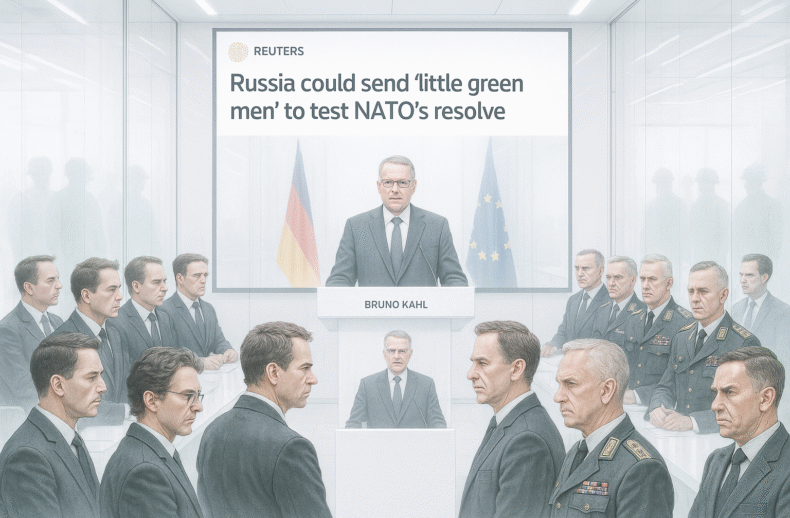
A vague warning from Germany’s intelligence chief about Russia’s possible deployment of “little green men” triggered a full-spectrum performance across NATO institutions, media outlets, and political arenas. This essay dissects how modern decision-making is less about structural strategy and more about symbolic recognition—where intelligence, media, and governments amplify each other in a loop of performative escalation. Through the lens of Eidoism, we reveal how even ghostly threats can become real when every actor seeks visibility over form.

Tiếp tục đọc

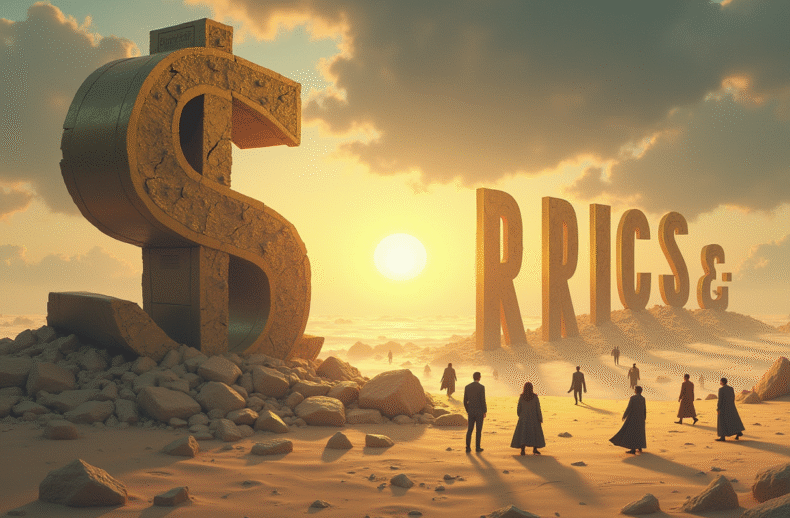
As the global economy approaches a point of no return, the collapse of the US dollar and Treasury bonds signals more than a financial crisis—it marks the unraveling of the entire industrial world order. This essay examines how the BRICS bloc is quietly escaping the symbolic grip of the dollar while Western allies remain trapped in denial and dependency. It explores why true reform is impossible within a system addicted to growth and recognition, and why collapse—not revolution—will be the catalyst for a new global structure based on contribution, not performance.

Tiếp tục đọc

In an age where automation and AI are rapidly replacing human labor, the foundational contract of modern education—study hard, get a degree, find a job—is collapsing. This essay explores how education has become a symbolic system tied to recognition and status rather than real contribution, and why societies filled with highly educated but functionally unemployed individuals are facing a crisis of meaning. Drawing from Eidoist principles, it offers a bold vision for reimagining education in a post-work world: one rooted in presence, contribution, and structural form—not performance or prestige.

Tiếp tục đọc

Most people believe the difference between democracy and autocracy determines the success of a society. But the real engine of modern governance isn’t structure—it’s psychology. Both systems, whether draped in freedom or control, rely on citizens acting as performers: consuming, self-branding, obeying. Happiness is tolerated as long as it feeds the loop. In truth, governments prefer distracted, compliant individuals over thoughtful contributors. Eidoism reveals that recognition—not ideology—is the hidden logic behind all modern systems.

Tiếp tục đọc

Modern society is addicted to recognition—from social media validation to consumer status games—creating a cycle of anxiety, ego inflation, and performance pressure. But deep in the forests of Borneo and the Amazon, Indigenous tribes live with remarkable emotional stability and coherence, untouched by the loop of endless visibility. This essay explores how these cultures contain the brain’s demand for recognition inside stable social forms—and how Eidoism draws on their example to propose a return to meaning, function, and structural sufficiency in a post-performance world.

Tiếp tục đọc

Capitalism exploits. Communism suppresses. Neo-communism reintroduces capitalism—and exploitation returns. This essay argues that no political system has yet escaped the human recognition loop: the deep psychological need for validation, status, and applause. Until we recondition the human substrate and build post-performative structures, every ideology will decay into hierarchy and manipulation. A viable future begins not with a new system—but with new humans.

Tiếp tục đọc

lên đầu trang
vi