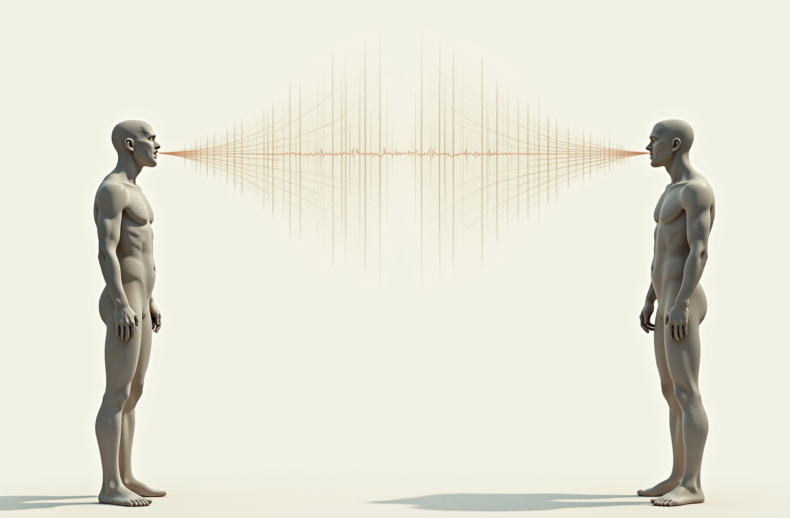
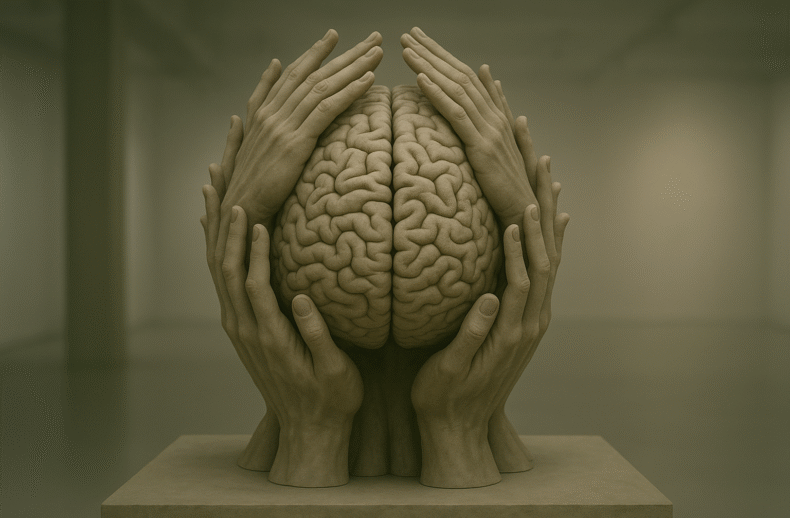
Emotions are not chemical reactions, neural firings, or conscious feelings. They are inherited semantic patterns that evolved to be expressed and recognized. Each basic emotion is instantiated through two distinct but coupled systems: an expression pattern that organizes the body into a meaningful social signal, and a recognition pattern that detects these signals in others and in oneself through visual, auditory, and interoceptive channels. Emotional feeling does not generate emotion; it emerges later as the perceptual recognition of the body’s own expressed state. By separating expression from recognition and locating emotion in embodied semantic patterns rather than in transmitters or brain regions, this framework explains emotional universality, infant emotional competence, cross-cultural recognition, and the persistent confusion between bodily signals and felt experience.