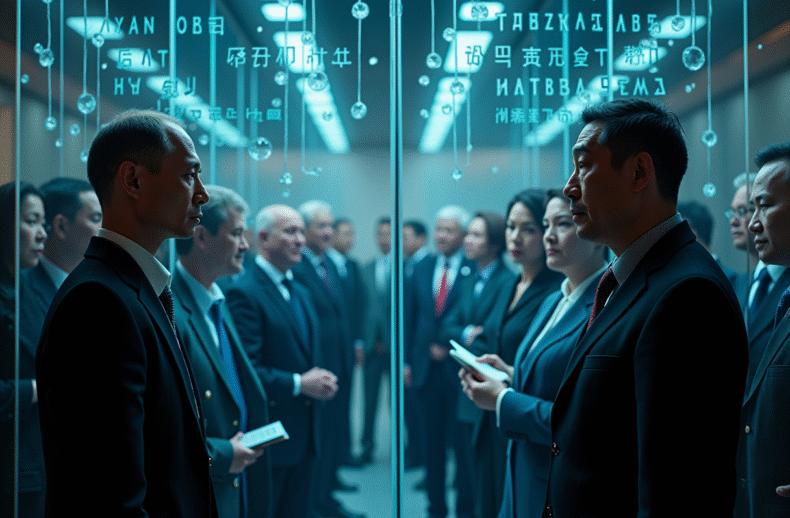
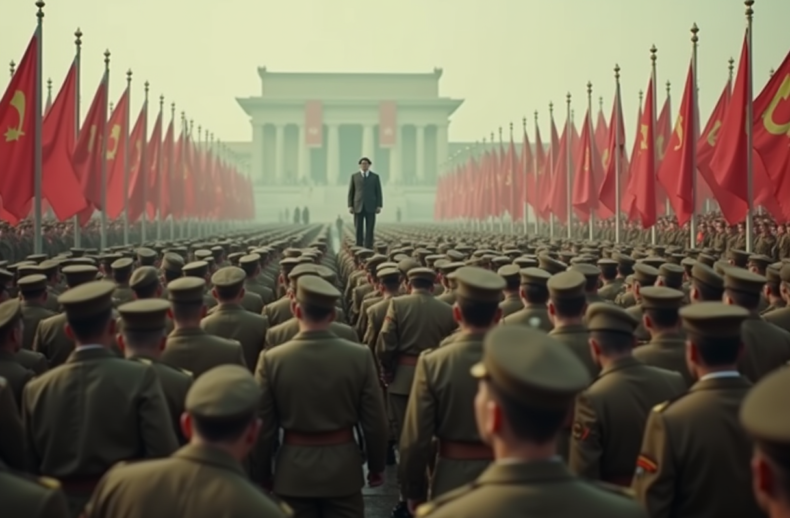
Nations are not held together by shared beliefs or unanimous agreement. They remain stable because citizens develop a shared sense of reality—a common set of expectations about what is real, what consequences will follow actions, and which futures are plausible. This sense of reality operates below ideology and opinion and is reinforced through institutions, rituals, and social consequences. The public return of North Korean soldiers from foreign deployment illustrates how societies actively repair and stabilize these shared expectations, absorbing potentially disruptive experiences into a coherent national order rather than allowing them to fracture it.

Tiếp tục đọc

Capitalism exploits. Communism suppresses. Neo-communism reintroduces capitalism—and exploitation returns. This essay argues that no political system has yet escaped the human recognition loop: the deep psychological need for validation, status, and applause. Until we recondition the human substrate and build post-performative structures, every ideology will decay into hierarchy and manipulation. A viable future begins not with a new system—but with new humans.

Tiếp tục đọc

Western media and politicians routinely condemn Russia and China for human rights abuses and authoritarian practices—but their critiques often fail to achieve real impact. This essay explores why: beneath the surface, deep neuroscientific differences in cultural wiring make true understanding and effective criticism almost impossible. Using examples from everyday life in Russia and China, we reveal how Western criticism “backs form,” misunderstanding local recognition patterns and reinforcing division instead of fostering change. Eidoism offers a new lens—urging humility, dialogue, and the recognition that only internal cultural shifts can drive real transformation.

Tiếp tục đọc

lên đầu trang
vi