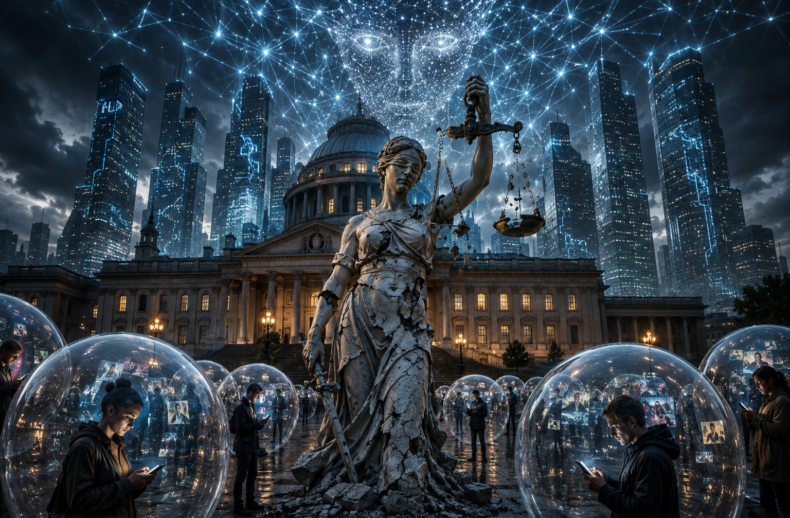
Liberal democracy is not collapsing because of populism, polarization, or misinformation. It is collapsing because it is built upon an incomplete theory of human nature. From the perspective of Eidoism, the true foundation of political stability is neither economic growth nor equality, but recognition. As artificial intelligence, social media, and global technology corporations transform recognition into the world’s dominant political resource, democracy loses the cognitive conditions upon which it depends. The twenty-first century will not simply witness political change—it will reveal the limits of liberal democracy itself.
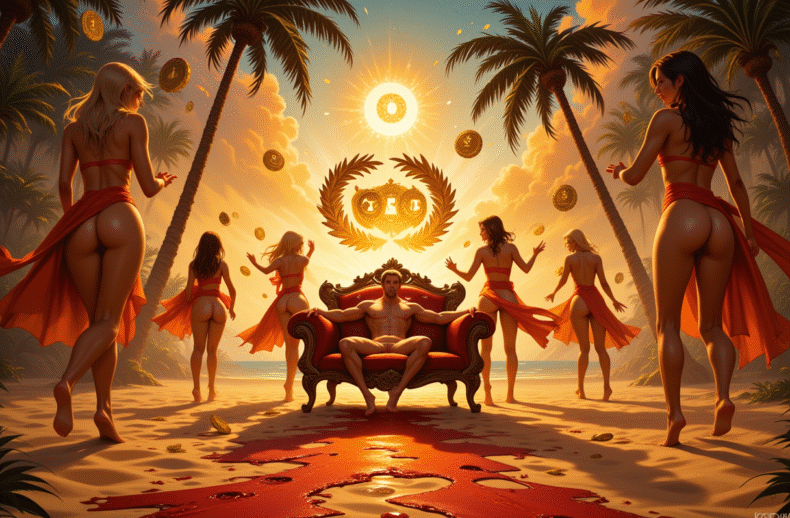
Humanity calls itself civilized, yet the same ancient instincts still shape its behavior. From kings with harems to billionaires with hidden mistresses, the link between power and sexual privilege remains unchanged. Education and democracy have not dissolved this biological pattern — they have only concealed it beneath the language of morality and progress. The Demand for Recognition (DfR), once expressed in crowns and concubines, now appears as fame, wealth, and influence. Morality and culture function as stabilizing filters within evolution, not as escapes from it. Civilization, therefore, is not the victory over instinct but evolution becoming aware of itself. The question is no longer whether humans can control their animal nature, but whether they can redirect recognition toward empathy, balance, and sustainability — transforming dominance into consciousness.
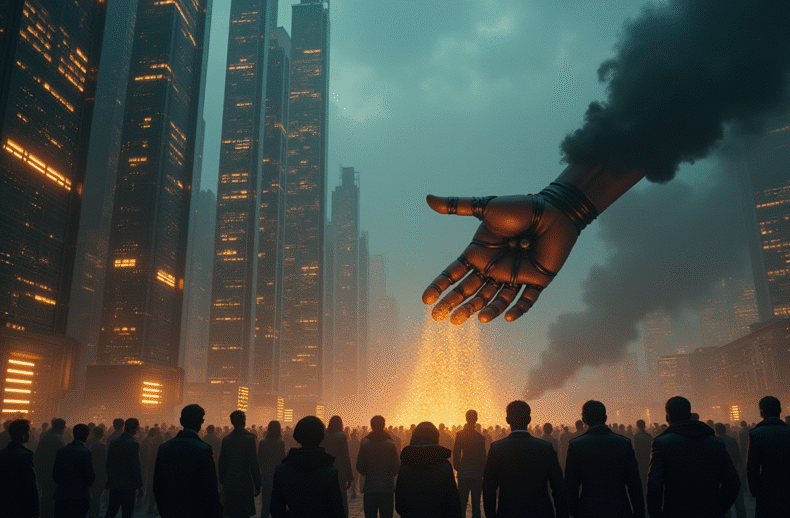
Artificial Intelligence is not a natural force but a man-made disruption. Tech oligarchs dream of production without labor — capital and machines generating wealth without people. To soften the blow, they promote Universal Basic Income, but always leave the question of funding abstract. This is no accident. By framing unemployment as a “social problem” to be solved by government, they privatize profits and socialize losses.
Like CO₂ pollution, AI-driven unemployment is a form of social pollution. The principle must be clear: the polluter pays. If society accepts the oligarchs’ framing, we risk a new feudalism of capital-only production and human irrelevance. If we resist, we can demand an AI dividend: a rightful share of the wealth created by technology, ensuring not only survival but recognition and dignity in a post-labor age.
Europe’s industrial core, long anchored by Germany, is entering a period of structural decline driven by energy disruption and global competition. The loss of cheap Russian gas, persistently high electricity costs, and deindustrialization trends are undermining the continent’s manufacturing base—from chemicals and steel to automobiles. Germany, once the powerhouse of European industry, now faces shrinking output, offshored investment, and the erosion of its post–Cold War economic model. Without bold policy to secure affordable energy, integrate markets, and support strategic sectors, Europe risks a future of stagnation, social unrest, and diminished global influence.
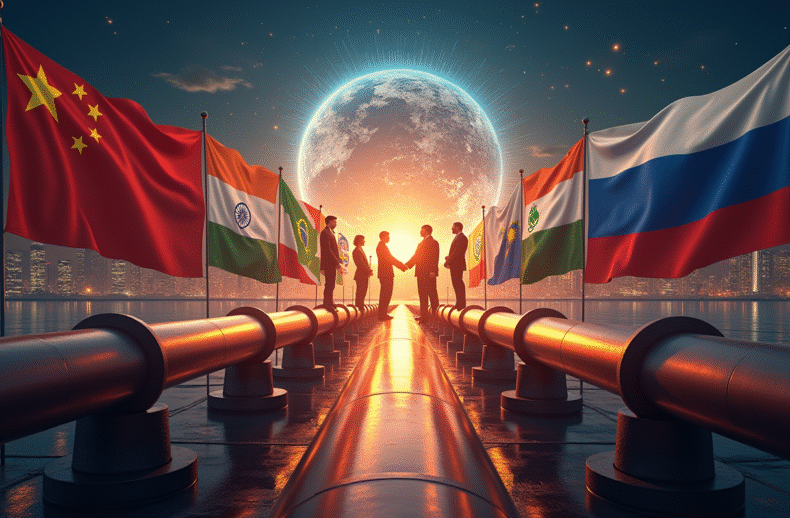
The future of Russian-Chinese relations within BRICS is defined by a strategic convergence: Russia’s pivot eastward after the rupture with Europe and China’s ambition to re-shape global governance. Energy trade, technology cooperation, and financial integration are binding the two powers into a pragmatic partnership, even as underlying asymmetries and competing interests remain. Within BRICS, their coordination strengthens calls for a multipolar world order and accelerates the bloc’s expansion into new markets. Yet the partnership is not without limits—dependence, mistrust, and global headwinds could expose fault lines. The next two decades will test whether BRICS becomes a cohesive platform for alternative global leadership, or merely a loose forum shaped by shifting national priorities.
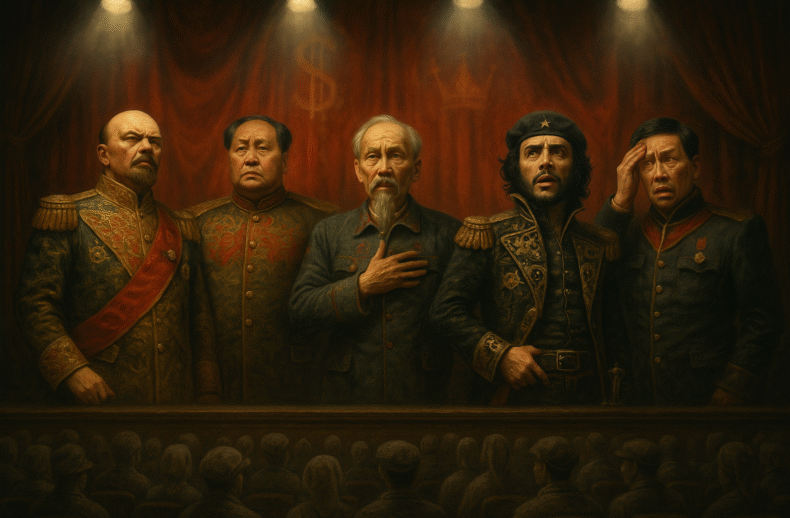
This essay examines how communist movements around the world diverged from classical Marxist theory, revealing instead a pattern of pragmatic nationalism and personal recognition-seeking by revolutionary elites. From Lenin to Ho Chi Minh, Mao to Castro, most leaders did not emerge from the working class but from educated, privileged backgrounds. Eidoism interprets these revolutions as expressions of a deeper recognition loop—where personal ambition, moral narcissism, and the desire for historical legacy re-coded revolutionary ideology into a stage for performance, rather than a path to true equality or form.