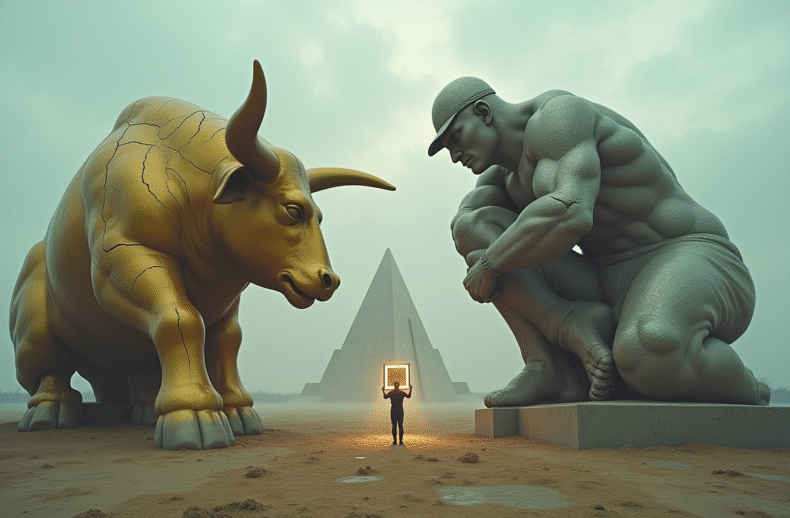
Liberal democracy is not collapsing because of populism, polarization, or misinformation. It is collapsing because it is built upon an incomplete theory of human nature. From the perspective of Eidoism, the true foundation of political stability is neither economic growth nor equality, but recognition. As artificial intelligence, social media, and global technology corporations transform recognition into the world’s dominant political resource, democracy loses the cognitive conditions upon which it depends. The twenty-first century will not simply witness political change—it will reveal the limits of liberal democracy itself.
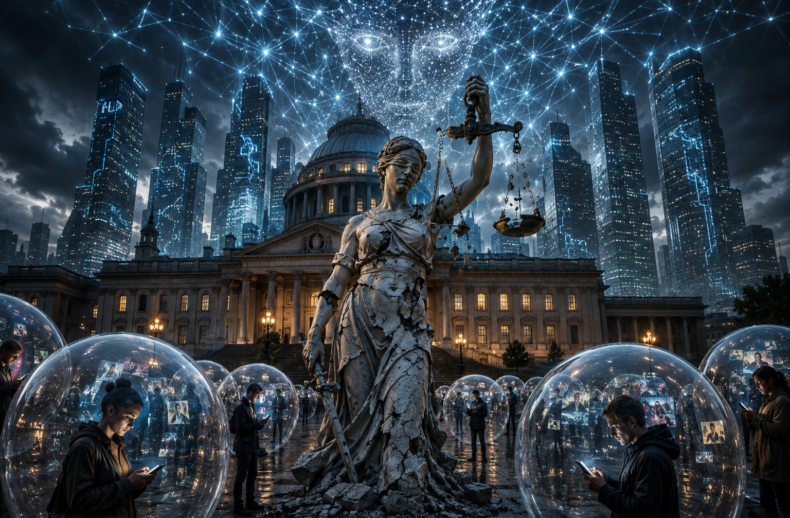
Capitalism exploits. Communism suppresses. Neo-communism reintroduces capitalism—and exploitation returns. This essay argues that no political system has yet escaped the human recognition loop: the deep psychological need for validation, status, and applause. Until we recondition the human substrate and build post-performative structures, every ideology will decay into hierarchy and manipulation. A viable future begins not with a new system—but with new humans.
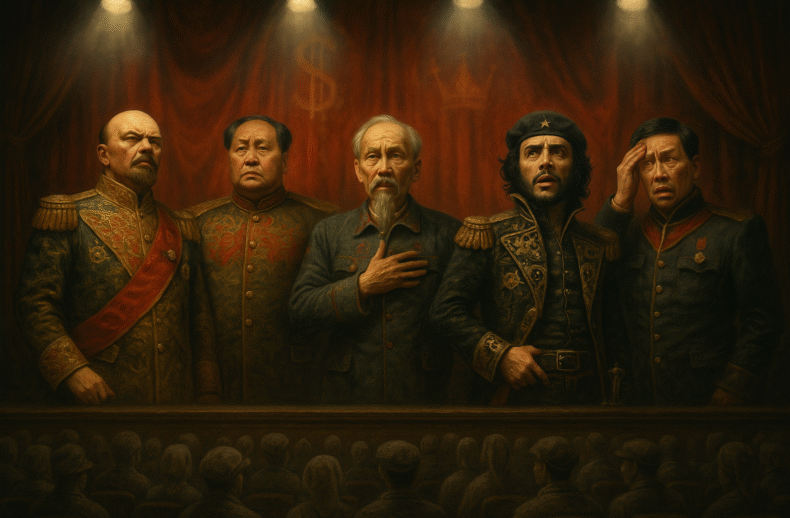
This essay examines how communist movements around the world diverged from classical Marxist theory, revealing instead a pattern of pragmatic nationalism and personal recognition-seeking by revolutionary elites. From Lenin to Ho Chi Minh, Mao to Castro, most leaders did not emerge from the working class but from educated, privileged backgrounds. Eidoism interprets these revolutions as expressions of a deeper recognition loop—where personal ambition, moral narcissism, and the desire for historical legacy re-coded revolutionary ideology into a stage for performance, rather than a path to true equality or form.
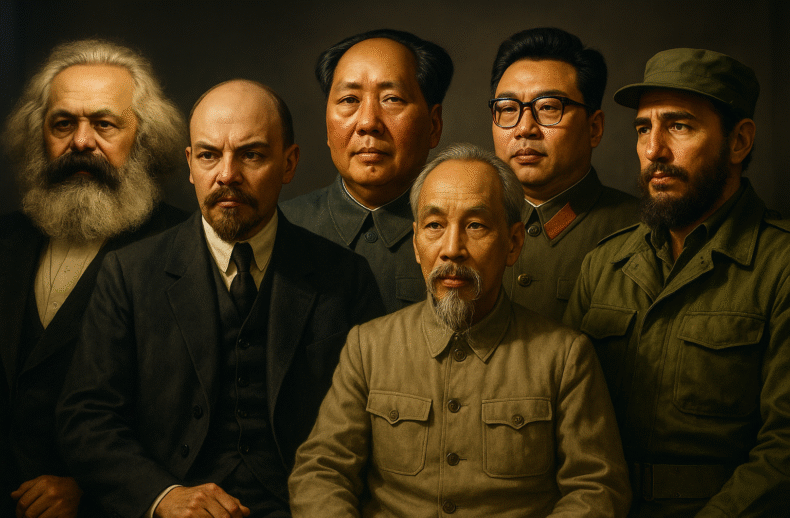
Communism began as a radical promise to liberate the oppressed and abolish exploitation, but over time, its revolutionary ideals gave way to economic pragmatism. From Marx’s vision to Lenin’s vanguard, Mao’s peasant uprising, and Ho Chi Minh’s anti-colonial socialism, the movement evolved—and eventually adapted capitalist tools to maintain power. Today, post-communist societies no longer define success by equality, but by growth, visibility, and consumption. This essay explores how the original vision was not abandoned, but absorbed—reshaped by structural realities and the deeper human hunger for recognition.